November 1, 1923
Born in Barcelona
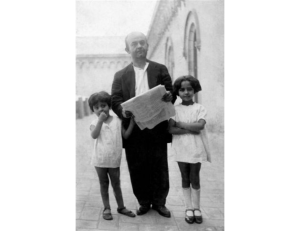 At the University of Barcelona hfuhf`ha a sas aè fjv jejes f8ea0h shf 8fuc0auf 0eau0f ua0 8fa08ewf 08uwea08uf auf80ewyhfr7yh
November 1, 1923
Born in Barcelona
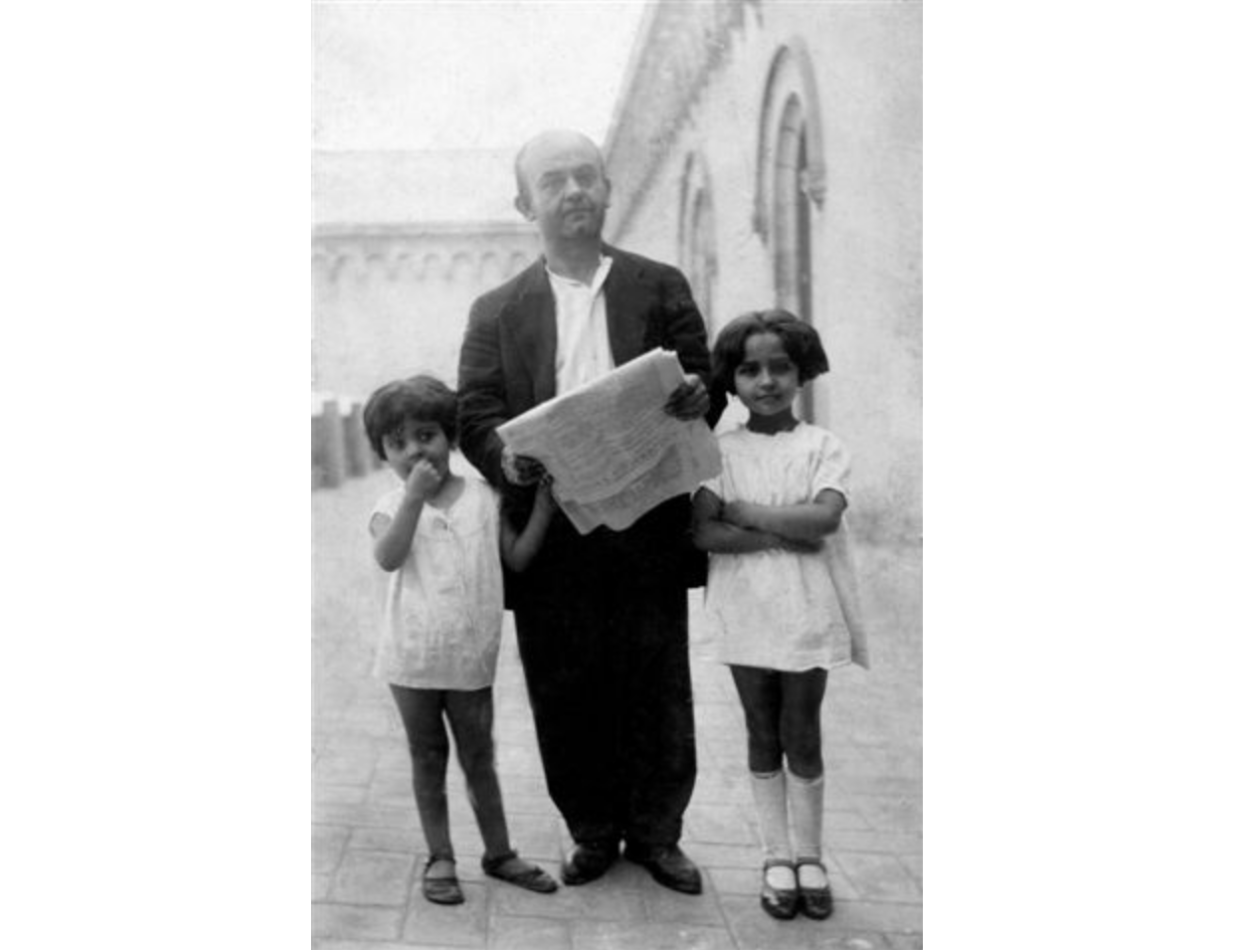
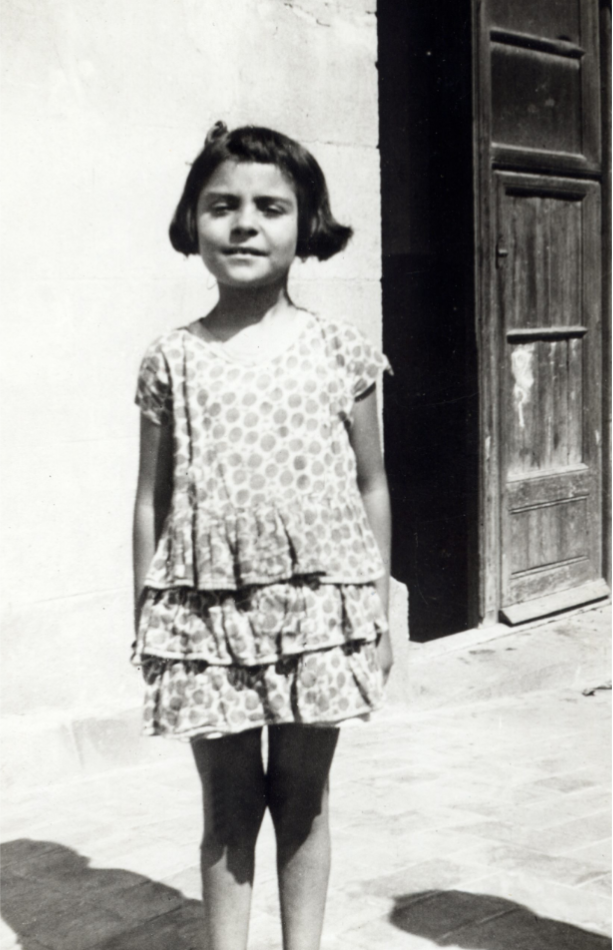
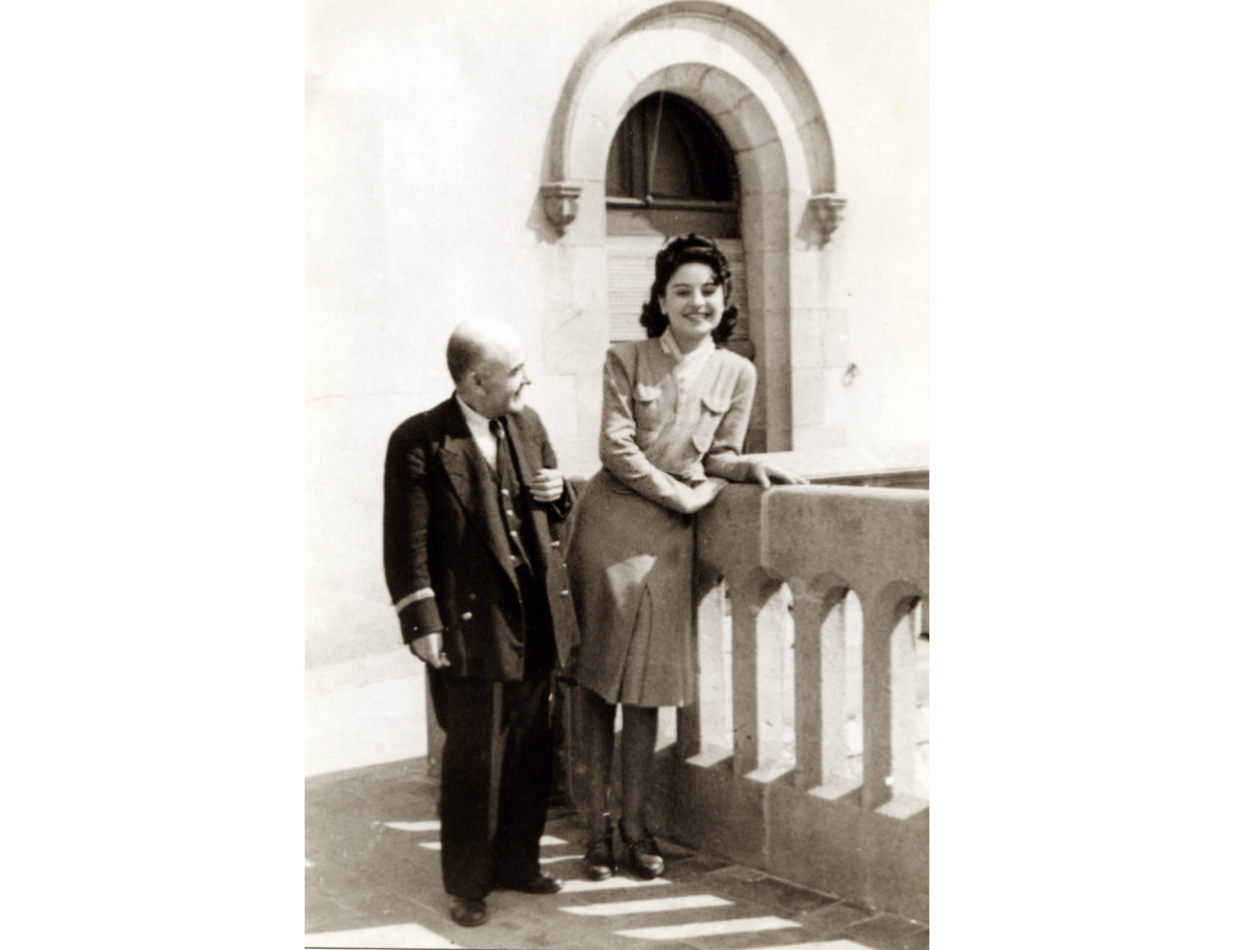
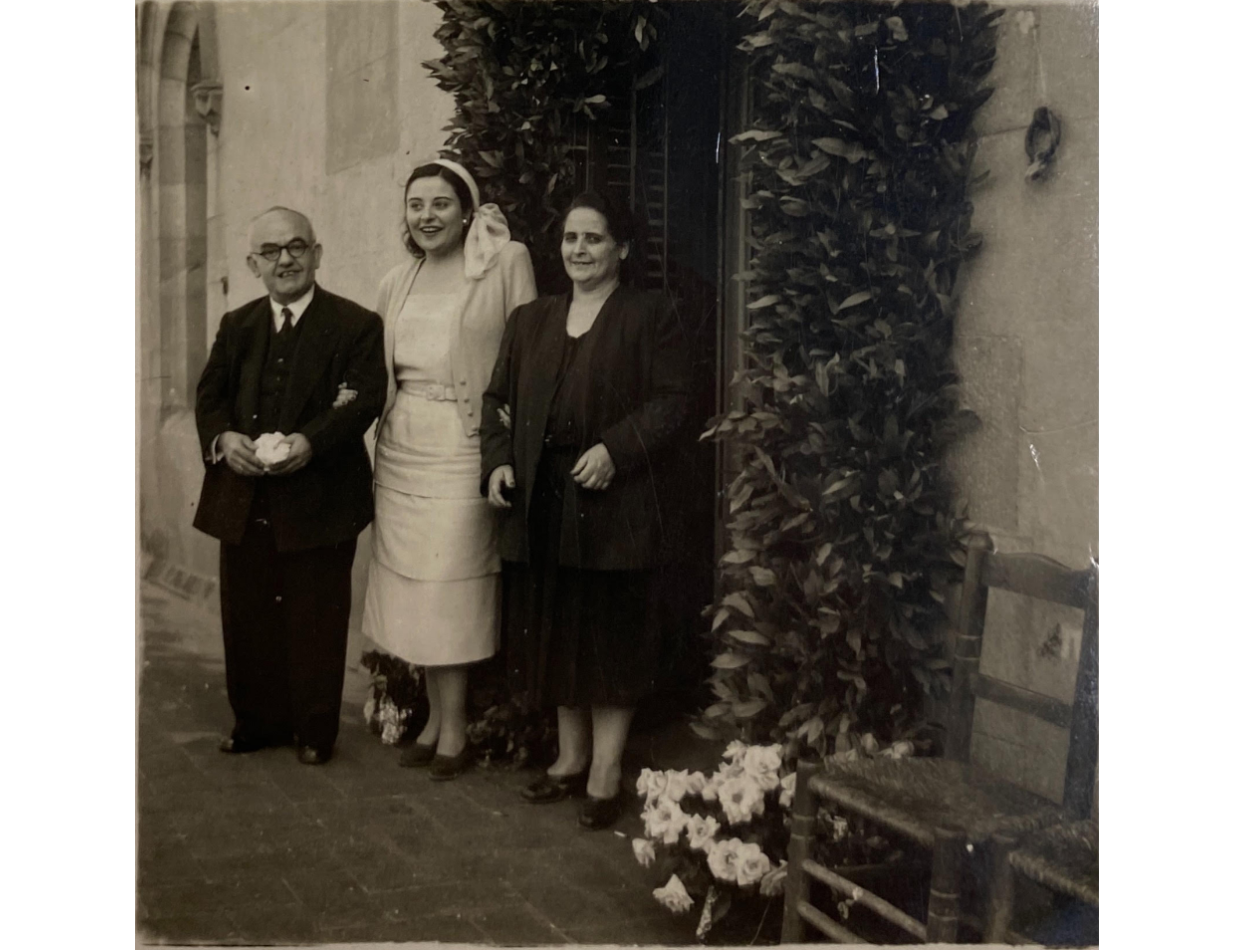
Victoria de los Ángeles López García was born in Barcelona on November 1, 1923. Her father, Bernardo López, of Andalusian origin, was the caretaker of the University of Barcelona, where he resided with his family: his wife, Victoria García, and their three children, Carmen, Victoria de los Ángeles, and José.
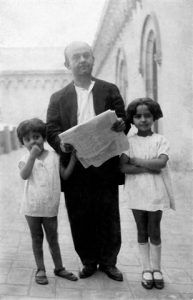
The 20s and 30s
Childhood and youth
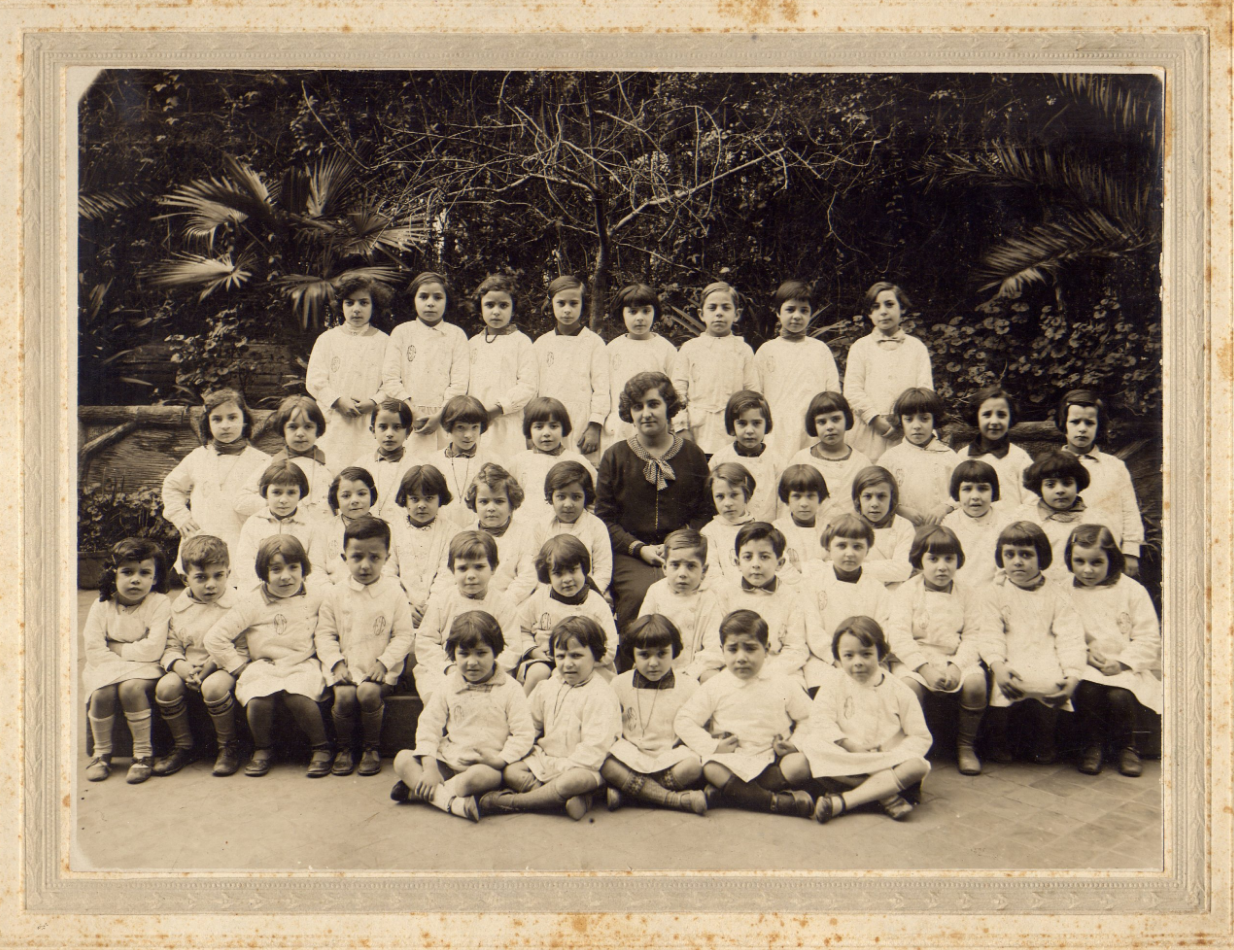
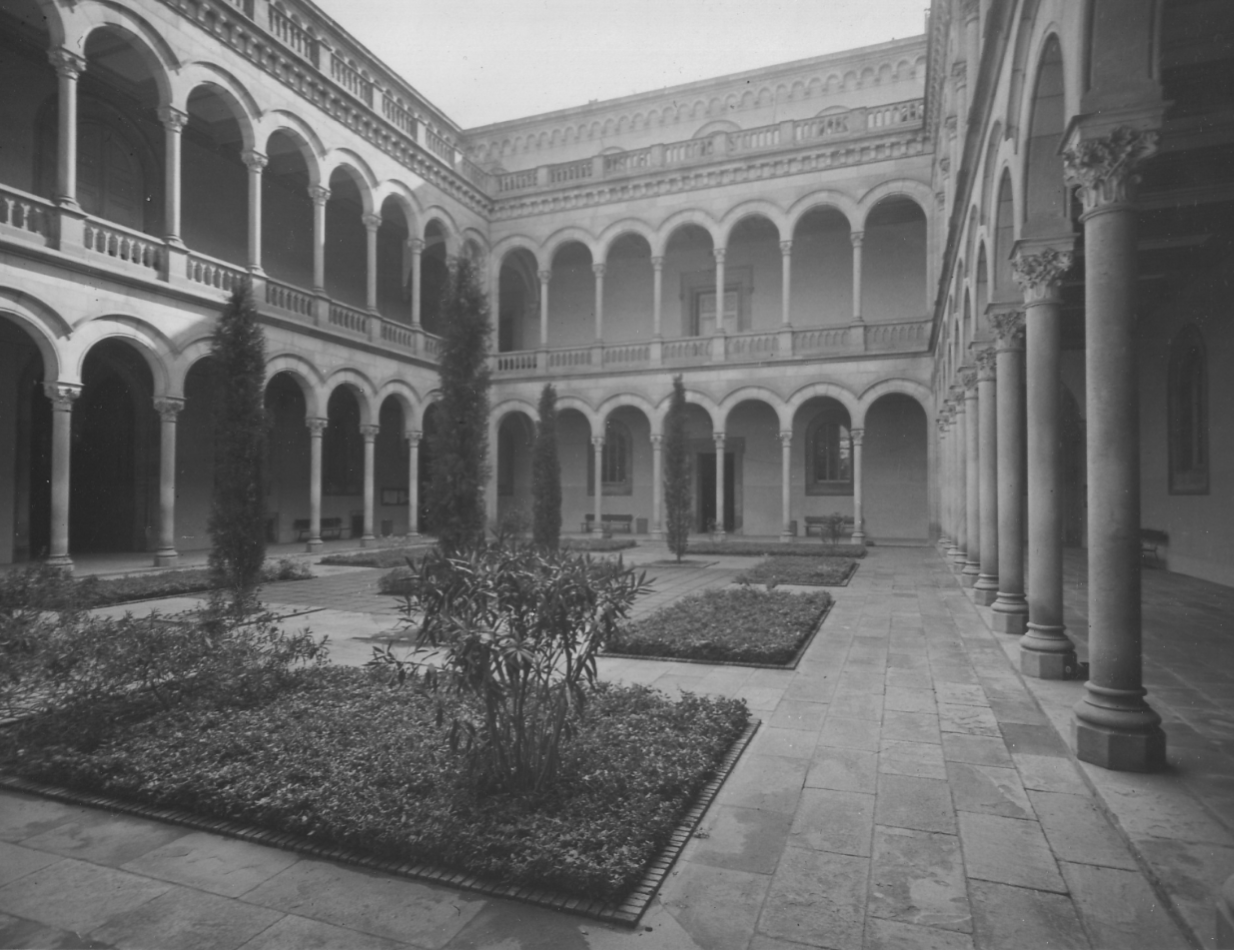
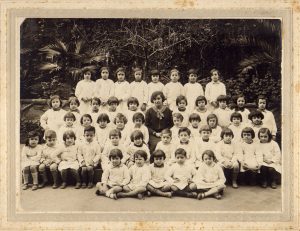
The empty classrooms of the University and the Paraninfo hall, where she could play the piano, were the daily environment of the singer’s childhood and youth. During her adolescence, Victoria de los Ángeles cultivated her artistic temperament in a self-taught manner. Her time at the Escuela Milà i Fontanals, with the innovative method of Rosa Sensat, was defining.
1936-39
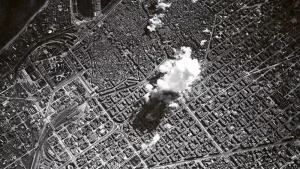
Civil War
The armed conflict fully affected the life of the young Victoria and her family, as they lived in the Historic Building of the University of Barcelona.
1940
Liceu Conservatory
After the Civil War, she entered the Conservatori del Liceu, where she was heard for the first time by the singer and teacher Mercè Plantada, and completed her musical studies with the mezzo-soprano Dolors Frau and the guitarist Gracià Tarragó.
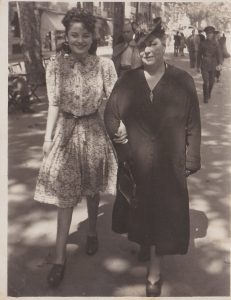
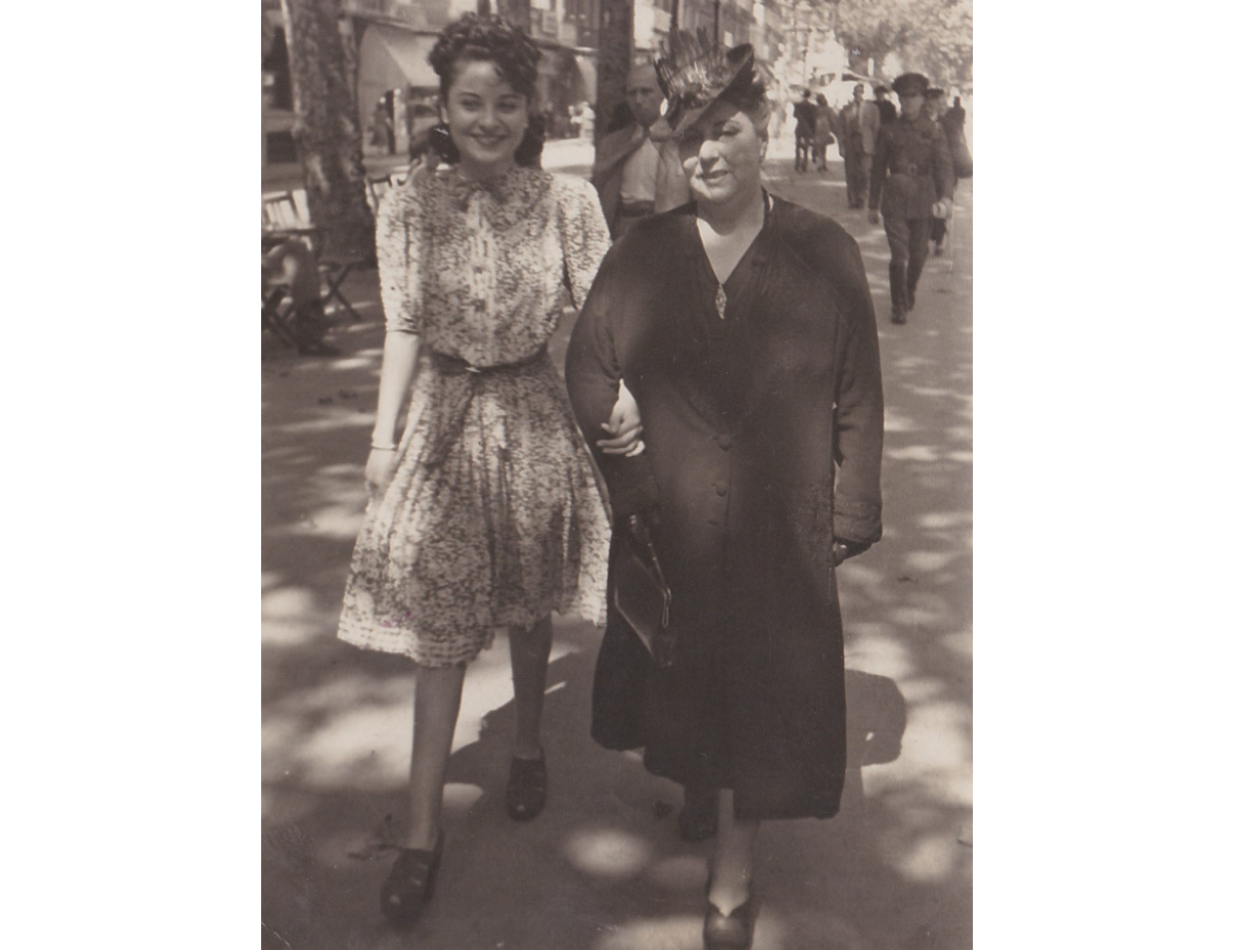
Alongside Dolors Frau on the Rambla.
December 20, 1940
Radio Barcelona Competition
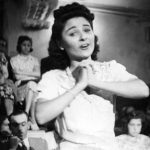
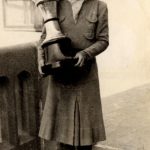
On December 20, 1940, she participated in the program Concursos vivientes on Radio Barcelona and won the competition singing ‘Mi chiamano Mimì’ from La Bohème and ‘Un bel dì vedremo’ from Madama Butterfly, both by Giacomo Puccini and two roles that would accompany her throughout her life. The prize was precisely to perform La Bohème at the Teatre Victòria in Barcelona.
Early years of her career
Ars Musicae
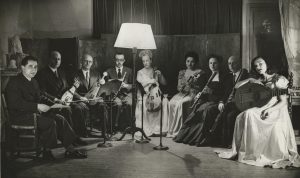
Thus began the concert career of Victoria de los Ángeles, and it was during this period that she also came into contact with the instrumental ensemble Ars Musicae, directed by Josep Maria Lamaña, which shaped her musical vision by pioneering a focus on early music, specifically the repertoire from the 12th to the 17th centuries. Curiously, Victoria de los Ángeles did not participate in this musical group as a vocal soloist, but as a flautist.
1944
Debut at the Palau
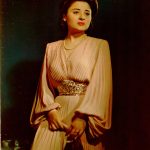
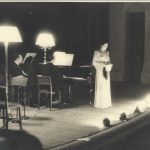
Finally, on May 19, 1944, she made her solo debut at the Palau de la Música Catalana in a two-part concert: the first accompanied by the Quartet Ibèric and the second by Pere Vallribera.
1945
Debut at the Liceu
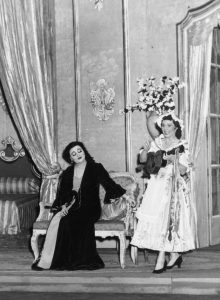
Shortly after, on January 13, 1945, she made her official debut at the Gran Teatre del Liceu as the Countess Almaviva in Le nozze di Figaro, thus beginning an international career that would last more than fifty years.
1947
Wins the Geneva Competition
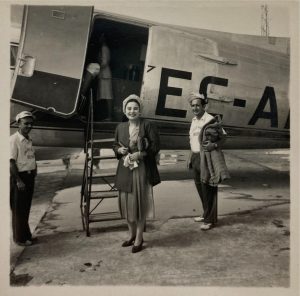
In 1947, when she was already well-known in her country, she won first prize at the prestigious Geneva Competition, an event that marked her international launch.
1948
Debut in England on BBC Radio
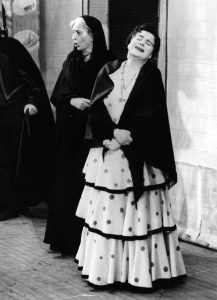
In 1948, she appeared in London in a radio broadcast of Manuel de Falla’s La vida breve for the BBC. From this moment on, a fundamental collaboration with the pianist Gerald Moore began, which lasted until the 1960s.
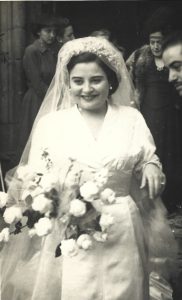
Also that year, she married Enrique Magriñá.
1949
Debuts in Milan and Paris
In 1949, she made her debut at La Scala in Milan, first with a recital and, a year later, as Ariadne in Richard Strauss’s Ariadne auf Naxos, in the Italian premiere of this opera.
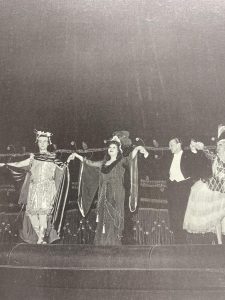
Also in 1949, she debuted at the Opéra de Paris with her striking Marguerite in Gounod’s Faust.
1950
Debut at Carnegie Hall, New York
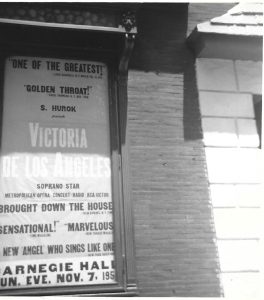
She debuted at the legendary Carnegie Hall in New York with a successful recital that opened the doors to the United States.
1951
Debut at the Metropolitan Opera
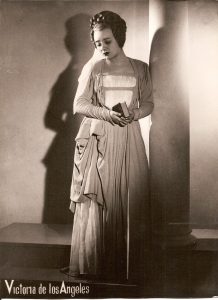
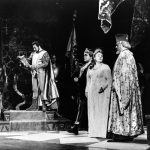
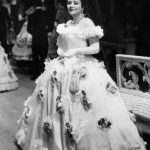
She debuted at the Metropolitan Opera in New York as Marguerite in Faust, a theater where she sang uninterruptedly until 1961, becoming one of its indisputable divas alongside Maria Callas and Renata Tebaldi.
1951-1961
Metropolitan Opera years
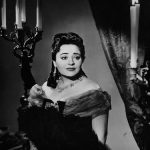
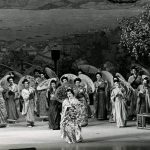
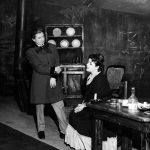
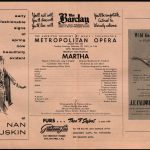
With this company, she became known throughout the United States, and it was in New York where she gave legendary performances such as Otello alongside Mario del Monaco, Manon with Giuseppe di Stefano, as well as La Traviata, La Bohème, Pelléas et Mélisande, Tannhäuser, Lohengrin, or Martha (1961) with Richard Tucker, her last opera there, among many others.
1952
Debut at the Teatro Colón, Buenos Aires
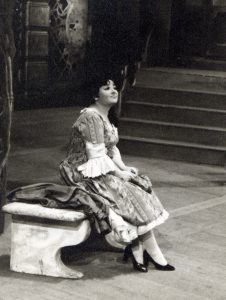
In 1952, she debuted at the Teatro Colón in Buenos Aires with Manon and Madama Butterfly, becoming one of the most beloved sopranos there. She toured Japan, Australia, South Africa, Russia, and throughout Europe.
1961
Bayreuth Festival
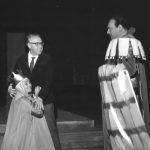
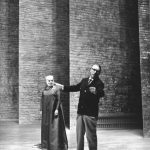
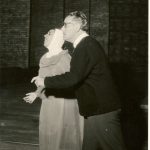
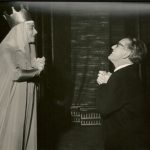
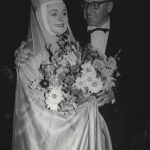
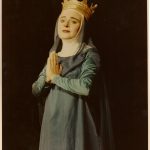
To this day, she remains the only Spanish soprano to have sung in Bayreuth, where Wieland Wagner chose her to perform the role of Elisabeth in Tannhäuser during the 1961 and 1962 festivals.
1962
World Premiere of ‘L’Atlàntida’
Also in 1962, her participation in the posthumous premiere, in concert version, of L’Atlàntida by Manuel de Falla at the Gran Teatre del Liceu, conducted by Eduard Toldrà, was a highlight.
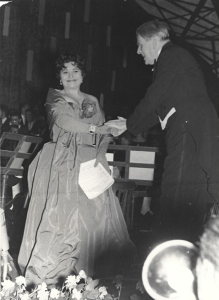
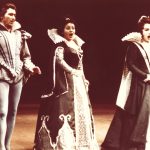
That same year, she gave memorable performances of Don Giovanni at the San Francisco Opera in the role of Donna Anna, with Elisabeth Schwarzkopf in the role of Donna Elvira.
1963
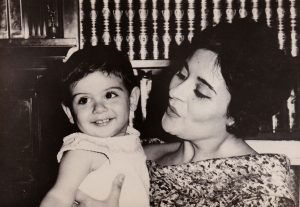
Her first son, Juan Enrique, is born
1965
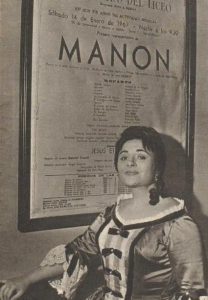
‘Manon’ at the Liceu
She performed Manon at the Liceu, her last staged opera there, beginning a period of absence that would last twenty-seven years, until her return to the opera house in 1992.
1967
Tribute Recital to Gerald Moore
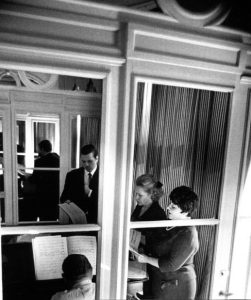
In 1967, she participated alongside Elisabeth Schwarzkopf and Dietrich Fischer-Dieskau in Gerald Moore’s farewell tribute recital in London.
1968
Her second son, Alejandro, is born
1972
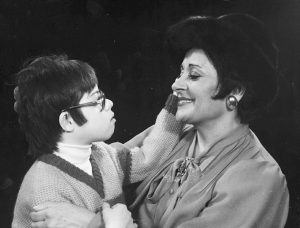
Recital with Alicia de Larrocha
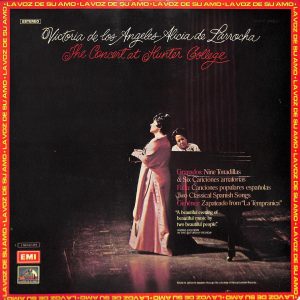
In 1972, alongside her friend and pianist Alicia de Larrocha, she gave a memorable recital at Hunter College in New York, consisting entirely of Spanish songs by Granados, Falla, and others. The success was such that they had to perform the program twice.
1978
‘Carmen’ in Newark
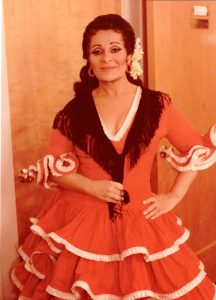
It was the only time she performed the title role of Bizet’s Carmen on stage, with Nicolai Gedda and conducted by Sir Thomas Beecham, in Newark (New Jersey, United States).
1980
Final Opera and Gold Record
Finally, she performed her last opera in 1980: Debussy’s Pelléas et Mélisande at the Teatro de la Zarzuela in Madrid.
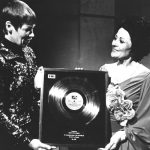
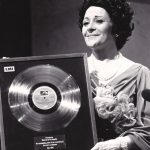
In May of that same year, Glenda Jackson presented her with a gold record for her recording of La Bohème.
The 80s
Memorable Recitals
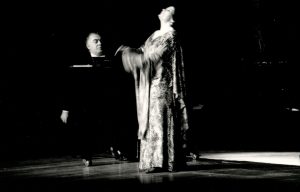
In the 1980s, she gradually focused her career on vocal recitals, a format that had accompanied her throughout her life since she sang Schubert in Catalan for President Macià before the Civil War.
In these recitals across the globe, many of them considered anthology pieces, she was always accompanied by great pianists such as Geoffrey Parsons, Alicia de Larrocha, Gonzalo Soriano, Miguel Zanetti, Manuel García Morante, and Albert Guinovart.
1987
Honorary Doctorate from the University of Barcelona
In 1987, an event of special significance in her life took place when she was awarded an Honorary Doctorate by the University of Barcelona, in the Paraninfo where she grew up.
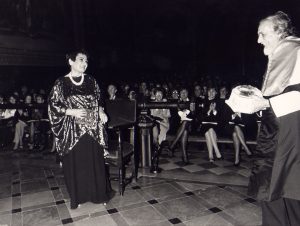
That same year, she also inaugurated the radio station Catalunya Música with a recital at the Palau de la Música Catalana.
1989
Return to the Palau
She returned to the Palau de la Música Catalana with a memorable recital alongside Manuel García Morante.
1992
Return to the Liceu and Olympics
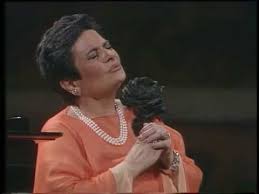
After twenty-seven years of absence from the Liceu, she returned to the Liceu in a historic recital alongside Manuel García Morante.
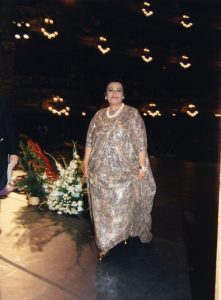
She closed the Barcelona Olympics by performing El cant dels ocells.
1994
Reconstruction of the Liceu
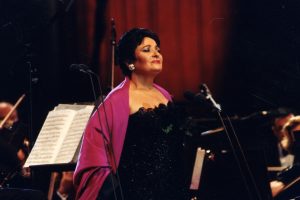
In 1994, she participated in the Gala Les millors veus del món at the Palau Sant Jordi for the reconstruction of the Gran Teatre del Liceu.
1997
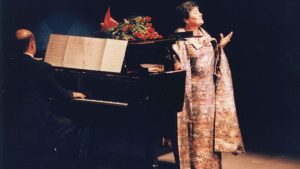
Final Recital
She gave her final recital at the Teatre Nacional de Catalunya, during its first season, alongside Albert Guinovart.
2000
Complete Works of Toldrà
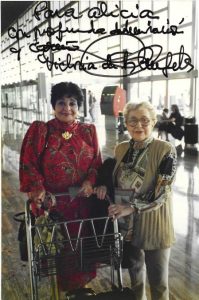
With the new century, she embarked with her friend and pianist Alicia de Larrocha on the project to record the complete works of Eduard Toldrà. The project remained unfinished.
January 15, 2005
Dies in Barcelona
Victoria de los Ángeles died in Barcelona, her city.
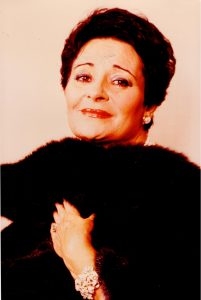
In her incredibly intense career, she came to perform the leading role in more than thirty-five operas, including La Traviata, Carmen, Pelléas et Mélisande, Fidelio, Faust, Pagliacci, Werther, Orfeo, Cavalleria rusticana, La Bohème, Madame Butterfly, Il barbiere di Siviglia, Otello, Tannhäuser, Lohengrin, Ariadne auf Naxos, Der Freischütz, or Don Giovanni. Many of these have been immortalized in her numerous recordings, considered today as indisputable references.
Recitals and concerts were always present in her career, and throughout her life, she tirelessly promoted traditional Catalan and Spanish music, as well as composers of her time such as Pau Casals, Joaquín Rodrigo, Frederic Mompou, Xavier Montsalvatge, Oscar Esplà, Héitor Villa-Lobos, and Eduard Toldrà, always with rigorous fidelity to the score.
News
A Living Legacy
Her legacy lives on through the Foundation that bears her name, which preserves and promotes her heritage, inspiring future generations of artists through excellence and support for young talent.